About
A small studio with a precise way of working
A graticule is the fine grid in a microscope eyepiece or on a map that lets you measure what you are looking at. It is a fair description of how we like to work: careful, measured and clear about what is actually there.
What we do
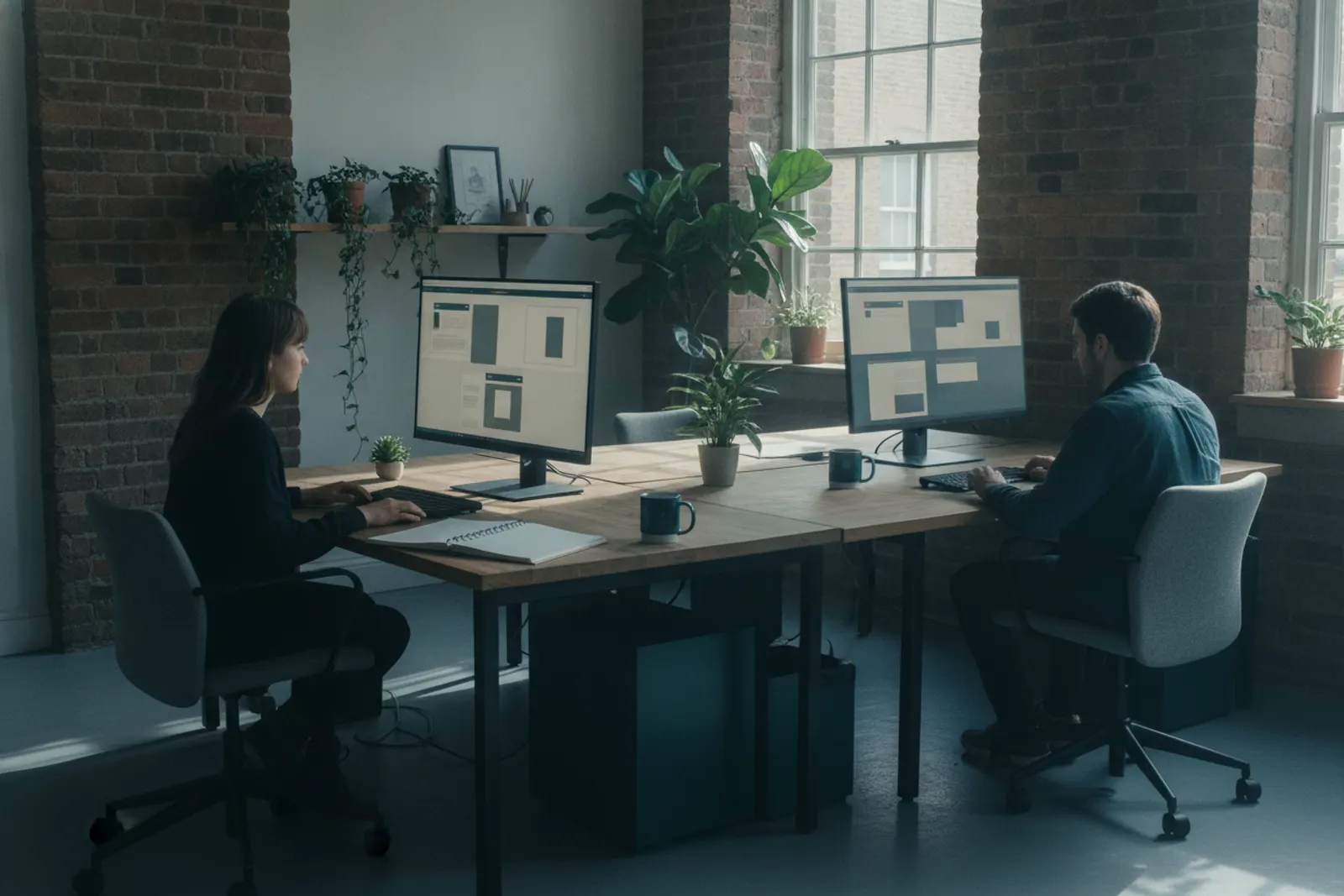
We design and build websites for organisations in and around Cambridge. Some are science and technology companies explaining difficult ideas to investors, partners and recruits at the same time. Some are colleges, charities and public bodies with accessibility duties and many editors. Many are local businesses in the city and across Cambridgeshire that need to be found by people nearby and make it easy for them to get in touch.
The work covers the whole life of a site: planning, content structure, design, development, search engine foundations, accessibility, launch and ongoing care. We keep the studio small on purpose, so the people you talk to at the start are the people who do the work.
How we think about websites
We treat a website as a working tool rather than a brochure. It should answer the questions visitors arrive with, help them take the next step and be easy for your team to keep current. That means we spend more time on structure, content and testing than many agencies, and less on effects that look good in a pitch but slow a site down.
We measure where we can. Before a redesign we look at analytics and search data to see what is working. During design we test page structure with real tasks. After launch we check what visitors actually do. Opinions, ours included, come second to evidence.
What the first month looks like
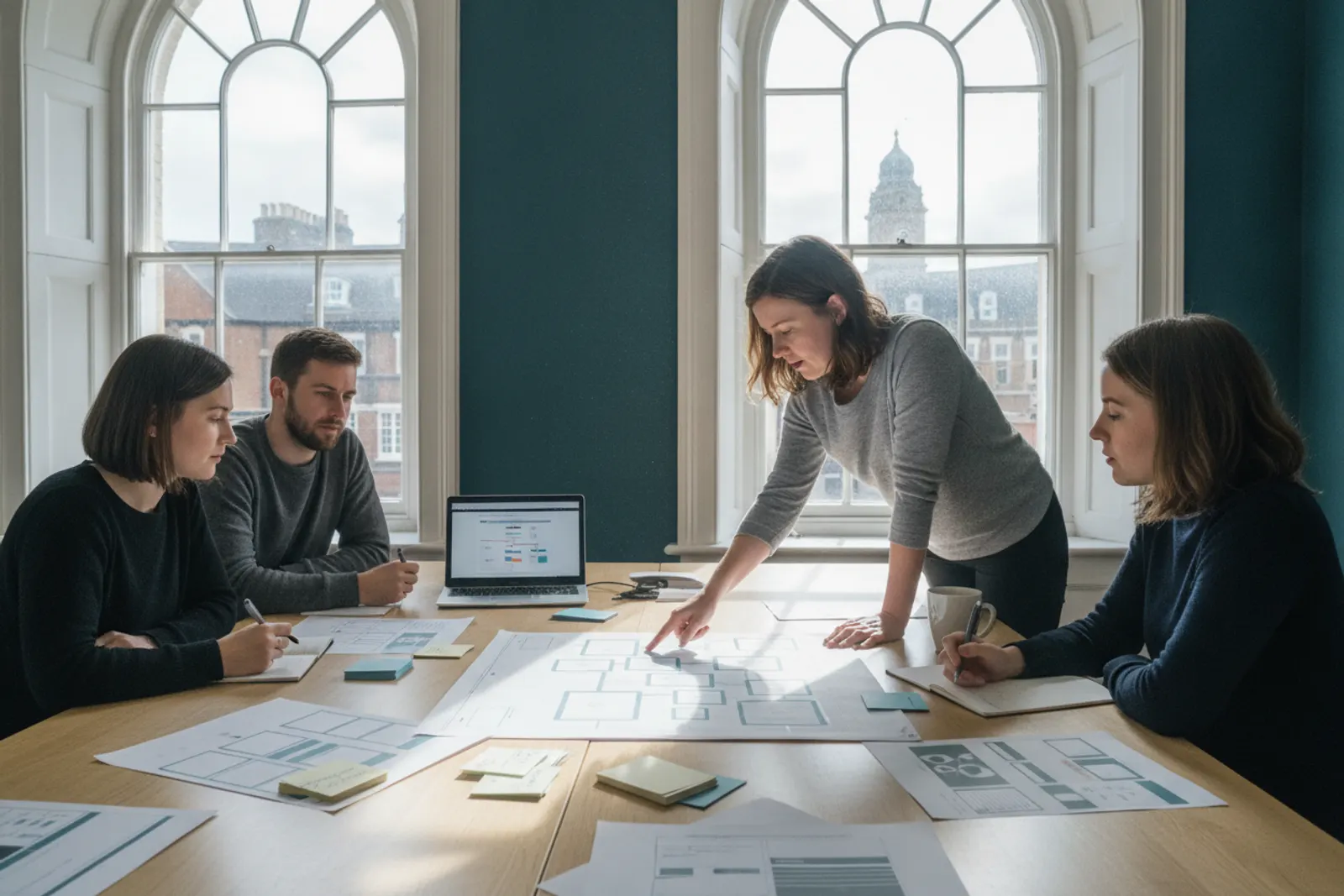
Every project is different, but the first four weeks of a typical new website follow a similar pattern:
- Week one: discoveryA workshop, in person in Cambridge or by video, with the people who will use and run the site. We agree goals, audiences and constraints, and you share access to analytics, Search Console and the current site if there is one.
- Week two: audit and content mapWe review the existing site and competitors, then produce a page map showing every page, what it is for and what content it needs. You get a content checklist so writing can start early.
- Week three: wireframesSimple layouts for the key page types, focused on order and hierarchy rather than colour. This is the cheapest point to change direction, so we encourage plenty of comment.
- Week four: first designsVisual designs for the homepage and one or two inner pages, built from a component system that the rest of the site will reuse. We agree any changes before development starts.
Smaller projects compress this; larger ones stretch it. Either way, you will know at each stage what we need from you and when.
Working together
- A written proposal with scope, timeline and a cost range, plus what would change it.
- Direct contact with the people designing and building your site, not an account manager relaying messages.
- Plain English, including about trade-offs, risks and the limits of what a website can do.
- Ownership: your domain, code, design files and content belong to you.
- No lock-in: documentation and access are handed over at launch, so another developer could take over.
- Training for whoever will edit the site, with a short guide written for your set-up.
What we will not do
We will not promise search rankings, buy links, write fake reviews or invent statistics for your site. We will not install accessibility overlays in place of fixing code. And we will tell you if a project is a poor fit for us, whether because a simpler tool would serve you better or because another specialist would do it better.
Next step
Planning a new website?
Tell us what the site needs to do and who it is for. We will reply with questions, a rough approach and an honest view of cost and timing.
Start a conversation